
Running a Sex Offender Check in Howard County
The Texas Public Sex Offender Registry is the main access point for Howard County. The Texas Department of Public Safety, or TxDPS, receives registration data from local law enforcement and makes the public portion searchable at no charge. Start there for an address, city, county, map, registry number, state identification number, or name query. A result identifies a statutory registration duty. It does not measure current risk, prove that the mapped location is current at that moment, or replace a full criminal-record search.
Local confirmation matters when a move, verification date, or status seems unclear. Big Spring residents should contact city police. People outside an incorporated city can contact the Howard County Sheriff at 3611 W. Highway 80 or 432-264-2231. Coahoma and Forsan residents should confirm which authority handles the file.
The official TxDPS registration-program page explains how state oversight and local registration fit together.
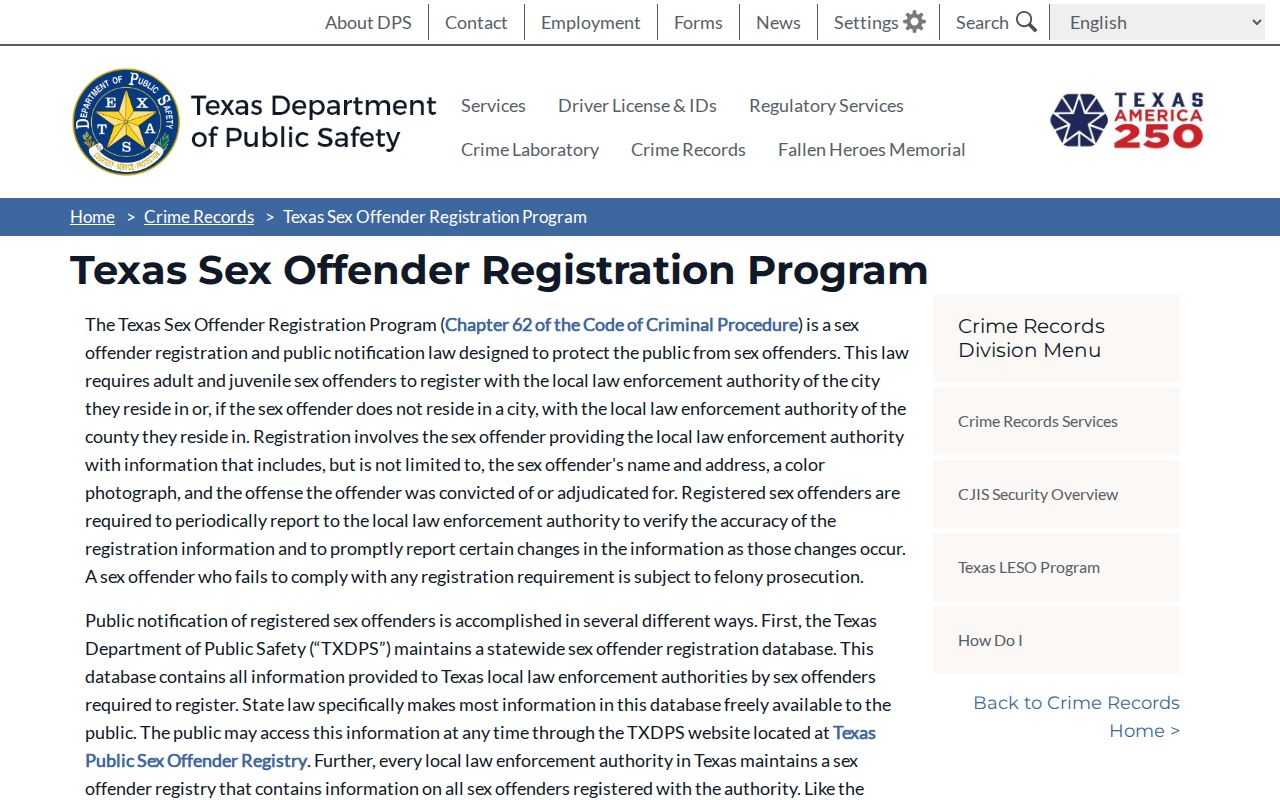
The program material explains duties and notice rules; the public portal searches individual Howard County registry records.
Howard County Registry Search Modes
The redesigned Texas registry offers several ways to frame the same safety question. A county search gives a broad Howard County view. City mode narrows results to Big Spring, Coahoma, or Forsan. Address and map modes help a household review an area without beginning with a person’s name. Name mode works best when spelling and another public descriptor can be checked against the profile.
Choose the narrowest reliable route, then widen it if nothing appears. City limits and postal addresses may not align in this rural county. Search Howard County after a city query, and check an address rather than treating a blank city result as final. Map controls can change, so use the live options.
Searching the Texas Public Sex Offender Registry
TxDPS manages the Howard County registry entries and current search controls. Review the portal’s terms, and compare the full profile rather than relying on a result-list name.
- Open the official TxDPS public registry and choose a name, city, county, address, registry-number, or map search.
- Enter the most reliable facts available. Select Howard for county mode or use Big Spring, Coahoma, or Forsan in city mode.
- Review possible matches with the published photograph, aliases, physical description, and birth information that the profile lawfully displays.
- Open the profile and check the registered location, reporting agency, status, offense, and latest verification details before drawing a conclusion.
| Field Label | Type | Required | Notes |
|---|---|---|---|
| Last Name | Text | Depends on mode | Use in a name search; test current partial or exact behavior. |
| First Name | Text | Optional | Narrows a name result. |
| Address or Street | Text | Address mode | Enter a valid Texas location. |
| City or ZIP Code | Text or dropdown | Depends on mode | Use a Howard County city or five-digit ZIP. |
| County | Dropdown | County mode | Select Howard. |
| Map Location | Map or address | Map mode | Reviews results around the location entered. |
The main Texas registry interface shows how these search paths begin.
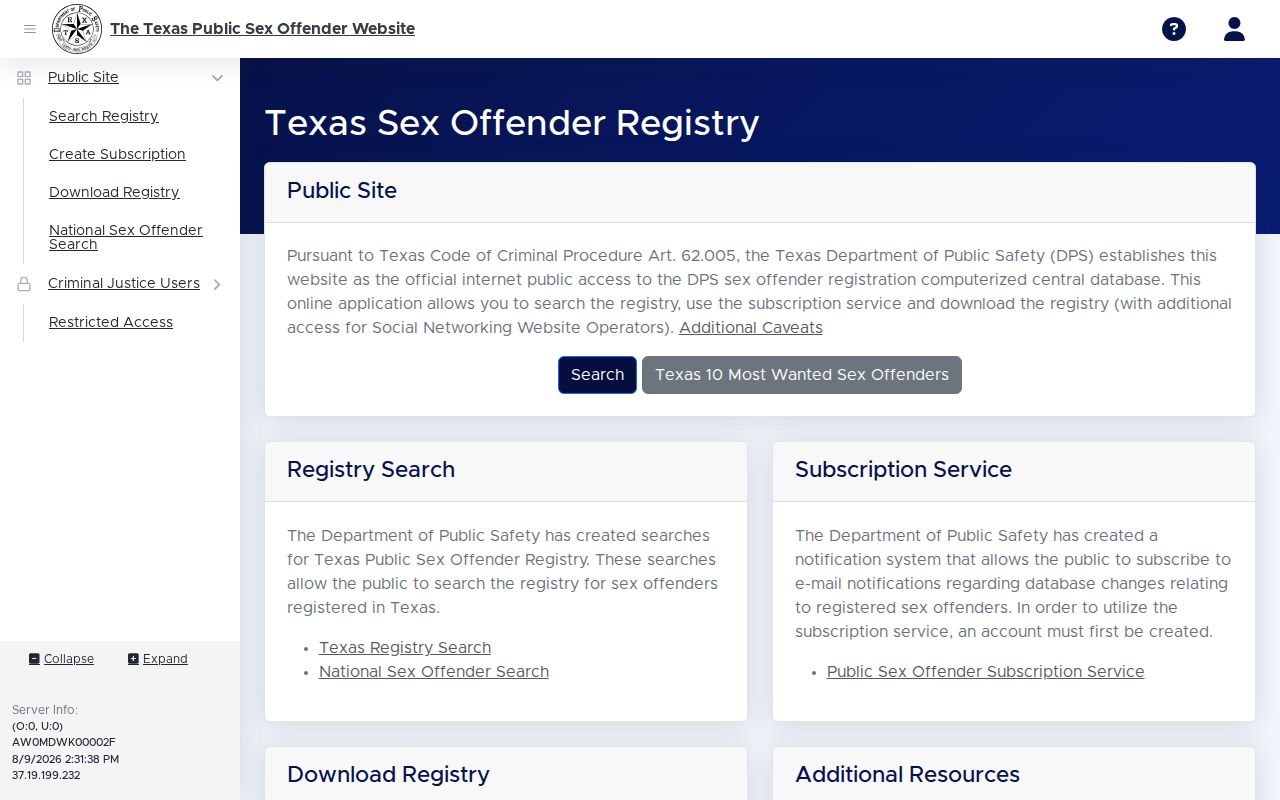
The landing screen separates place and person searches, keeping a Howard County neighborhood check focused on location.
The official Texas registry name-search screen provides the person-search route.
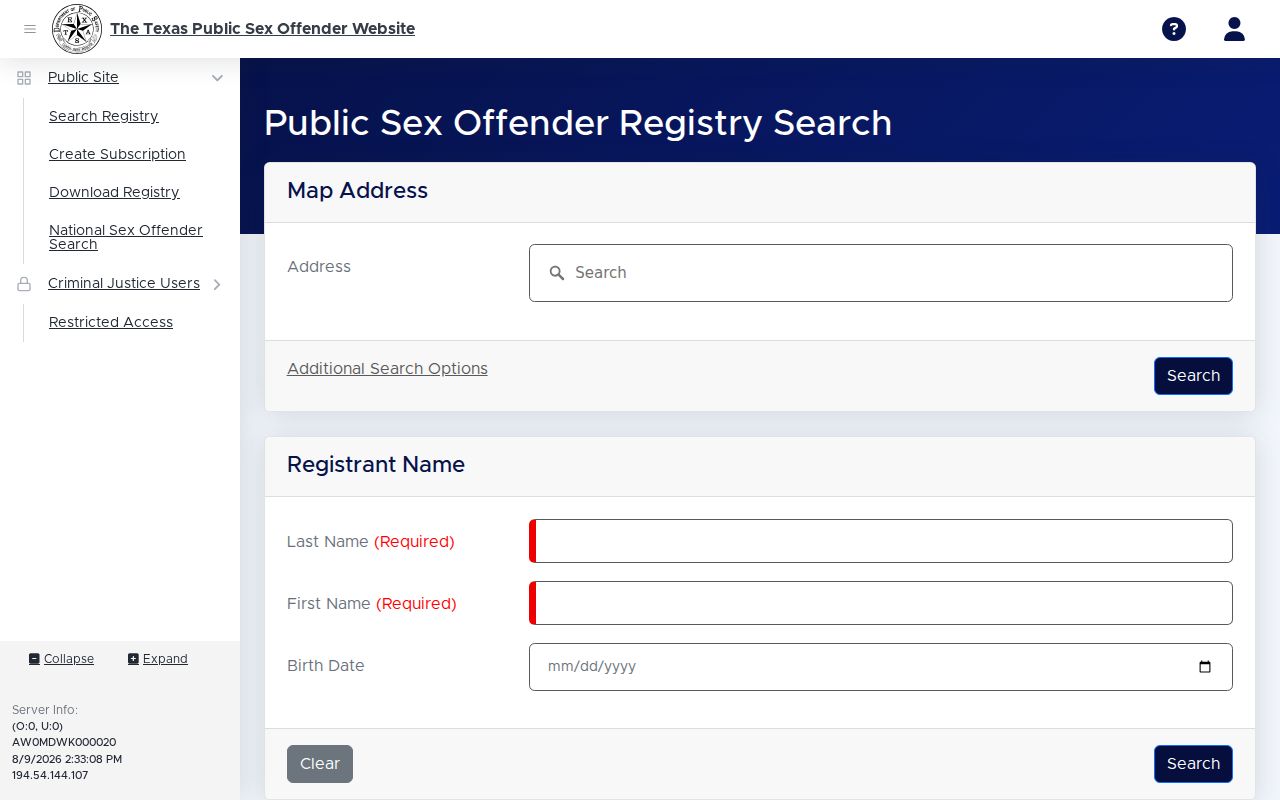
The name form is only a filter. Check identity against the profile’s descriptors, reporting agency, offense facts, and status.
Note: A blank portal result is not proof that no duty exists; confirm a suspected reporting gap with TxDPS or the correct local authority.
What a Registry Profile Shows
A public Howard County registry profile combines identity clues, registered-location data, the reportable offense, and compliance information. Some fields are collected by local police but withheld from public display. Read the entries as a public-notice record, not as a full case file or a forecast of conduct.
| Name and Aliases | Registered name and other names collected for identification. |
|---|---|
| Photo and Description | Photograph and permitted details such as sex, race, height, weight, hair, eyes, and marks. |
| Registered Location | Published address or location description, map, and reporting agency where available. |
| Offense Details | Offense and statute, conviction or adjudication date, victim age category, and disposition or punishment data. |
| Registration Status | Duty status, verification information, and local reporting details shown by the current profile. |
| Risk and Notice | Any published risk or notice information, which is distinct from the ten-year or lifetime duration rule. |
Public display excludes a victim’s identity. TxDPS also withholds Social Security and driver-license numbers, phone numbers, online identifiers, employer details, DPS-only data, and juvenile information ordered nonpublic.
Howard County Registry Data Limits
Collected does not always mean published. Local authorities may hold fingerprints, contact details, vehicle information, higher-education status, and other data needed for Chapter 62. TxDPS releases only fields permitted by law.
A Howard County profile also does not show every part of a person’s criminal history. It focuses on the reportable conviction or adjudication and current registration duty. Someone reviewing a separate filed charge or disposition should use the proper Howard County criminal court case record. Keep the systems distinct: the registry gives public-notice data, the clerk holds case documents, and law enforcement maintains registration records that may include nonpublic fields.
Registration Requirements and Levels in Texas
Texas Code of Criminal Procedure Chapter 62 controls who registers, for how long, and when changes must be reported. Texas does not use a generic federal Tier I, II, and III chart as the universal public-profile system. Duration follows the listed offense and circumstances. A separate low, moderate, or high risk assessment affects some forms of notice. The concepts should not be merged.
| Texas Concept | Duration or Effect | Verification or Notice |
|---|---|---|
| Ten-year duty | Applies to designated reportable offenses or adjudications, calculated from the release, discharge, or supervision point set by law. | Local verification follows the schedule assigned under Chapter 62. |
| Lifetime duty | Applies to enumerated serious or repeat offenses listed in Chapter 62. | Periodic local verification continues for life unless the law provides relief. |
| Risk assessment | Low, moderate, or high describes assessed risk for notice purposes, not a substitute duration tier. | Certain people verify annually; specified offenders may verify every 90 days. |
| High risk or civil commitment | Triggers added public-notice measures in qualifying circumstances. | TxDPS may mail English and Spanish postcards to nearby homes and businesses after release or a move. |
Registrants must verify as required and report specified changes. Failure to comply can lead to felony prosecution. No universal Howard County distance ordinance was located. A residence limit may depend on the offense, an order, or valid local law, so do not assume one distance applies to every profile.
Note: Read the reportable-offense rule and profile status together; the risk label alone does not answer whether a duty lasts ten years or life.
Howard County Registry Versus NSOPW
The Texas registry is primary for a Howard County result. The Department of Justice National Sex Offender Public Website, or NSOPW, searches participating jurisdictions across state and tribal lines. Reopen a match at its contributing jurisdiction for the latest profile.
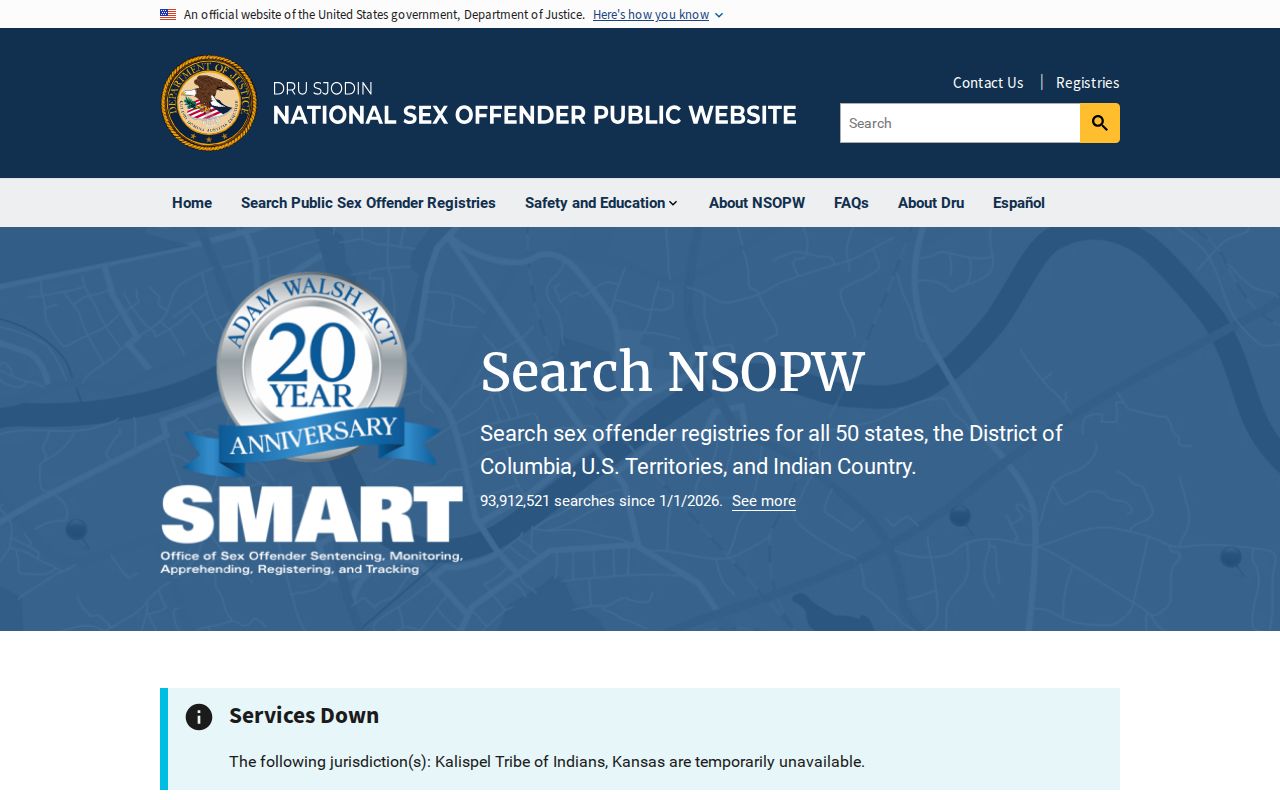
The national screen broadens the sweep. TxDPS confirms Texas status and the Howard County reporting authority.
A prison locator answers a different question. The official Federal Bureau of Prisons inmate locator searches federal custody records rather than Texas registration duties.
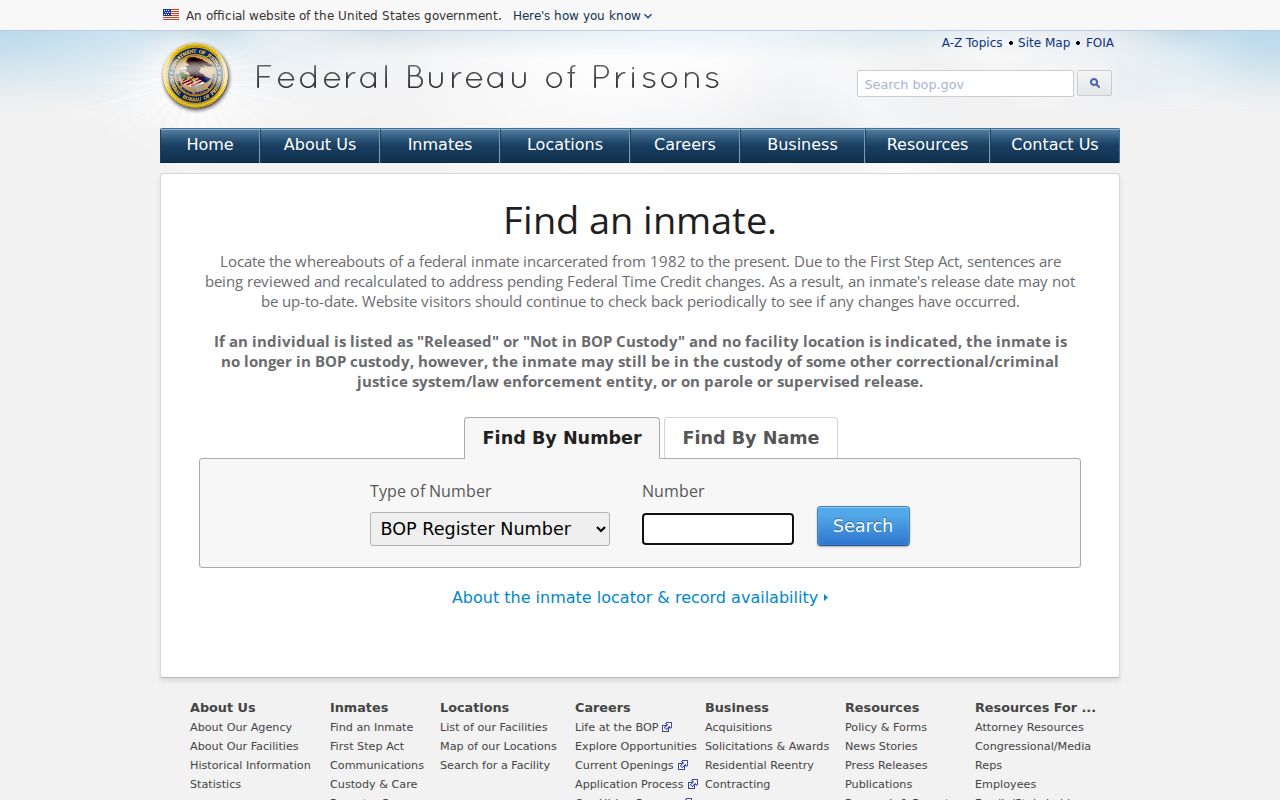
The locator can help distinguish federal incarceration from registry status, but it cannot confirm a Howard County address, a Chapter 62 duty, or current local verification.
Lawful Use and Community Notification
Public Howard County registry data supports personal safety plans, family discussions, and awareness of a neighborhood. Texas notice may come through the public database, a local registry, permitted publication, required school notice, email or profile subscription tools, and special postcards for qualifying high-risk or civilly committed registrants. The redesigned TxDPS portal describes notification controls, so use the option shown on the current profile rather than expecting a Howard County sheriff app. No county-branded registry-alert app was found.
Publication is not permission to confront, track, threaten, trespass, vandalize property, or organize vigilantism. A profile does not state current dangerousness and may not reflect an address change in real time. Check the status and last verification, then send a precise concern to the reporting authority.
Registry misuse can be prosecuted: Texas Code of Criminal Procedure Chapter 62 governs public registration and notice; publication does not authorize harassment or threats. Conduct that violates Texas criminal law can result in prosecution.
Correcting Howard County Registry Information
If an address or status looks wrong, first save the official profile details, including the listed reporting agency and verification information. Recheck the record through TxDPS. Then report the exact concern to the agency named on the profile. Big Spring Police handles city registration questions, while the Howard County Sheriff is the documented contact for unincorporated areas. Coahoma or Forsan residents should ask which authority owns the file.
Describe the error without visiting the mapped location. A move may be under review, or the public system may lag behind a local report. Portal subscriptions can track official changes; the reporting agency remains the proper contact for a suspected violation.
Note: Report suspected errors through official channels; never try to confirm a registry address by approaching a home or registrant.